Artificial intelligence (AI) and the Internet of Things (IoT) are revolutionizing the food processing industry, enhancing efficiency, safety, and sustainability. From predictive maintenance to real-time quality control, these technologies are addressing critical challenges like food waste and regulatory compliance. A 2025 ASSOCHAM-PwC report highlights their role in reducing India’s Rs. 1.53 trillion post-harvest losses, positioning the country as a global leader. This article examines how AI and IoT are reshaping food processing, their applications, and the hurdles to widespread adoption.
The integration of AI and IoT is driven by the need for high-throughput, sustainable processing amid rising demand for processed foods. The AI in food and beverages market is segmented into hardware (sensors, robots) and software (machine learning, computer vision), with applications in quality control, safety compliance, and consumer engagement. IoT technologies, such as smart sensors, enable real-time monitoring of production conditions, reducing waste and ensuring compliance with FDA and USDA regulations.
The global food processing equipment market, valued at USD 51.40 billion in 2024, benefits from automation technologies like IoT-based control systems, which accounted for over 52% of revenue in the automatic segment. Consumer demand for clean-label and plant-based products is also pushing manufacturers to adopt AI-driven solutions for precise formulation and processing.
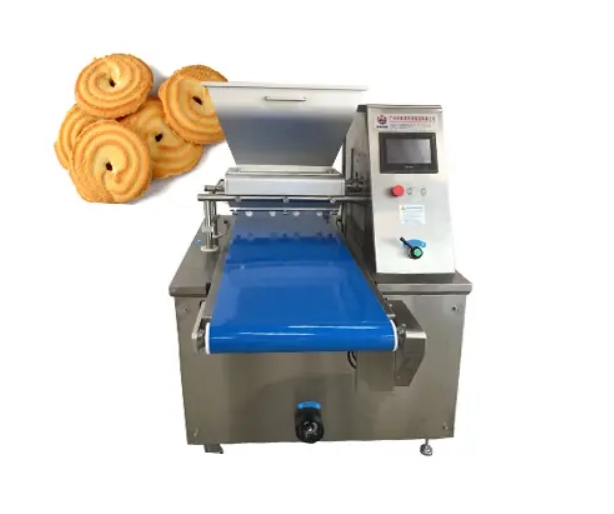
AI is transforming food processing through applications like predictive maintenance and quality control. For instance, Polysense, a Belgian AI startup, has raised €2 million to scale its solutions for optimizing processes and reducing waste in companies like Agristo and Poppies Bakeries. Its AI-driven systems use computer vision to assess product quality, ensuring consistency in frozen fries and baked goods. Similarly, the IFT’s CoDeveloper platform leverages AI to provide formulation guidance, enabling manufacturers like PepsiCo to innovate faster.

IoT enhances these capabilities by integrating sensors and data processors into equipment. Smart storage systems monitor temperature, humidity, and ethylene gas levels to prevent spoilage, addressing the global issue of 30% post-harvest food loss. In packaging, IoT-enabled systems with time-temperature indicators ensure freshness throughout the supply chain, reducing waste and enhancing safety. Robotics, combined with AI, streamlines tasks like mixing, fermenting, and pasteurization, improving precision and reducing human error.
India is emerging as a leader in AI and IoT adoption, driven by government initiatives to modernize food processing and reduce waste. Europe is also advancing, with startups like Polysense leveraging AI for sustainability. North America remains a hub for AI-driven innovation, with companies like Novolyze offering tech-enabled solutions for FSMA compliance. The Asia-Pacific region’s growth is fueled by urbanization and demand for packaged foods, necessitating smart processing systems.
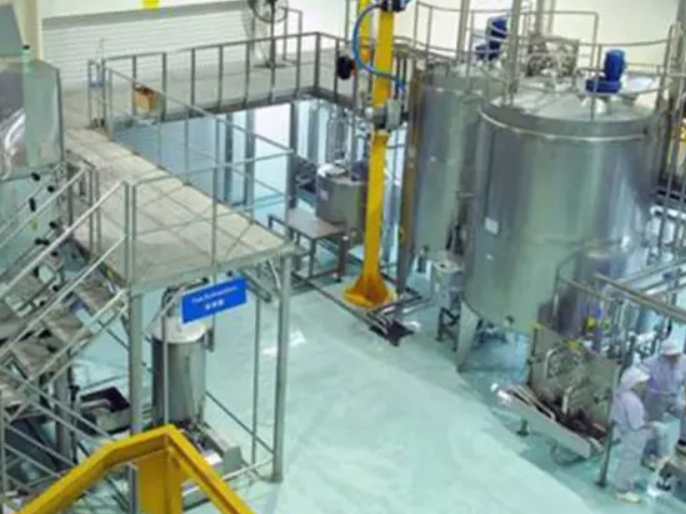
The integration of AI and IoT faces significant hurdles. High implementation costs and complex data management systems can overwhelm SMEs, limiting adoption. Cybersecurity risks are a concern, as IoT devices are vulnerable to hacking, potentially disrupting production or compromising safety. Moreover, AI’s accuracy in sensory applications, like taste and texture optimization, remains limited, requiring human oversight.
Critically, the hype around AI may overstate its capabilities. While it enhances efficiency, it cannot fully replace human expertise in navigating regulatory complexities or addressing novel challenges. The industry must also address data interoperability issues, as diverse sensor formats can hinder real-time decision-making. Over-reliance on AI could marginalize smaller producers, exacerbating market inequities.
By 2033, AI and IoT will further integrate with blockchain for enhanced traceability and sustainability. Predictive analytics will optimize supply chains, while smart packaging will become standard. However, manufacturers must invest in workforce training and cybersecurity to fully realize these benefits. The focus on clean-label products will drive AI applications in precision fermentation and formulation.