A Bold Investment in Efficiency
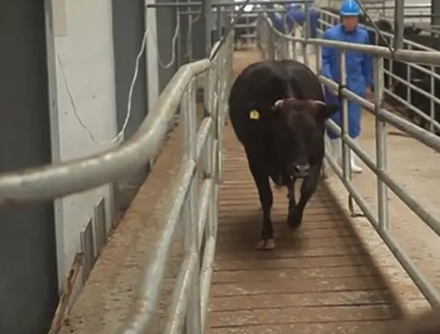
Cargill is doubling down on automation with a nearly $90 million upgrade to its Fort Morgan, Colorado, beef processing facility, part of its ambitious “Factory of the Future” initiative. Since 2021, the company has invested $24 million in the plant, and this latest infusion introduces cutting-edge CarVe computer vision technology. CarVe measures red meat yield in real time, offering insights that optimize cutting precision and minimize waste, boosting both efficiency and profitability.
Cargill is doubling down on automation with a nearly $90 million upgrade to its Fort Morgan, Colorado, beef processing facility, part of its ambitious “Factory of the Future” initiative. Since 2021, the company has invested $24 million in the plant, and this latest infusion introduces cutting-edge CarVe computer vision technology. CarVe measures red meat yield in real time, offering insights that optimize cutting precision and minimize waste, boosting both efficiency and profitability.
Community and Sustainability Focus
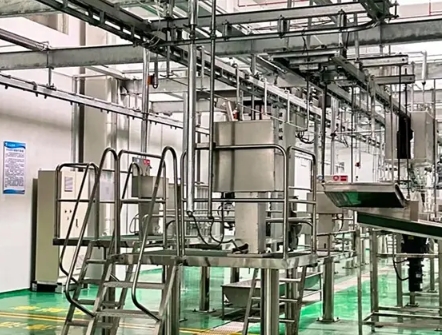
Beyond technology, Cargill is strengthening community ties with a $40 million housing project and over $500,000 in grants to local organizations. These efforts underscore the company’s commitment to balancing technological advancement with social responsibility. The automation upgrades also align with sustainability goals, reducing resource waste and enhancing worker safety through reduced manual handling.
Beyond technology, Cargill is strengthening community ties with a $40 million housing project and over $500,000 in grants to local organizations. These efforts underscore the company’s commitment to balancing technological advancement with social responsibility. The automation upgrades also align with sustainability goals, reducing resource waste and enhancing worker safety through reduced manual handling.
Industry-Wide Ripple Effects
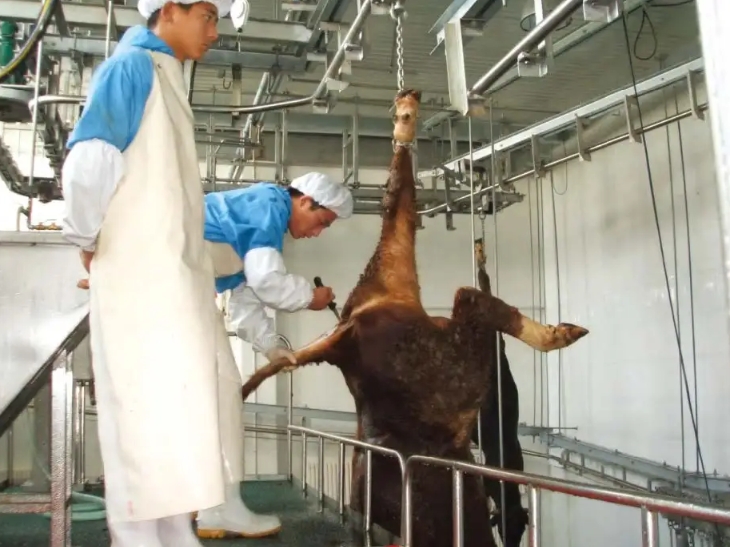
This investment signals a broader trend in food processing, where automation is critical to addressing labor shortages and rising costs. Cargill’s move could pressure competitors to accelerate their own tech upgrades, potentially reshaping the beef processing sector. However, integrating such systems requires significant capital and training, posing challenges for smaller players.
This investment signals a broader trend in food processing, where automation is critical to addressing labor shortages and rising costs. Cargill’s move could pressure competitors to accelerate their own tech upgrades, potentially reshaping the beef processing sector. However, integrating such systems requires significant capital and training, posing challenges for smaller players.