Navigating a Complex Landscape
The food processing industry faces a turbulent 2025, with supply chain challenges driven by inflation, raw material cost spikes, and labor shortages. Up to 30% of food is lost or wasted annually, amplifying the need for efficiency. Geopolitical risks and potential tariffs, such as doubled U.S. steel tariffs increasing canned food costs by 30 cents per can, add further pressure.
The food processing industry faces a turbulent 2025, with supply chain challenges driven by inflation, raw material cost spikes, and labor shortages. Up to 30% of food is lost or wasted annually, amplifying the need for efficiency. Geopolitical risks and potential tariffs, such as doubled U.S. steel tariffs increasing canned food costs by 30 cents per can, add further pressure.
Sustainable and Resilient Solutions
Companies are responding by diversifying suppliers, optimizing logistics, and adopting sustainable practices like Seal N’ Flip™ packaging, which cuts plastic use by 50% and costs by 25%. FDA’s new traceability rules, mandating 24-hour data access for high-risk foods, underscore the importance of robust systems. Consumer demand for clean-label products is also reshaping sourcing and packaging strategies.
Companies are responding by diversifying suppliers, optimizing logistics, and adopting sustainable practices like Seal N’ Flip™ packaging, which cuts plastic use by 50% and costs by 25%. FDA’s new traceability rules, mandating 24-hour data access for high-risk foods, underscore the importance of robust systems. Consumer demand for clean-label products is also reshaping sourcing and packaging strategies.
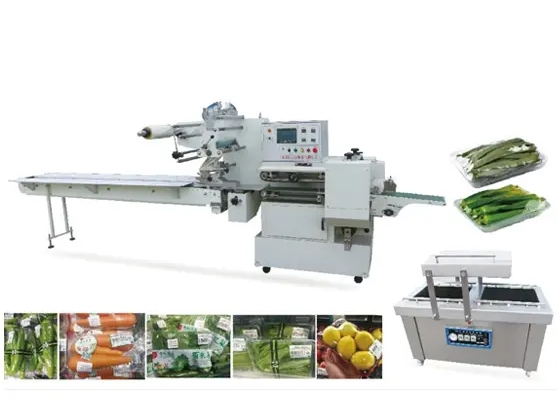
Packaging is a key part of the equation. It plays a vital role in preventing spoilage, contamination, and tampering, especially for perishable or ready-to-eat items. The choice of packaging materials and sealing technology directly affects the integrity of the food inside. Factors like oxygen transmission rate (OTR), moisture barriers, and temperature tolerance are important variables to consider in the science of shelf life.

A Path Forward
Technology, from blockchain for traceability to AI-driven logistics, is key to building resilient supply chains. Industry leaders are optimistic, viewing these challenges as opportunities to innovate and meet evolving consumer and regulatory demands.
Technology, from blockchain for traceability to AI-driven logistics, is key to building resilient supply chains. Industry leaders are optimistic, viewing these challenges as opportunities to innovate and meet evolving consumer and regulatory demands.