Think about this: a busy bakery in downtown Chicago where you can smell golden-brown cookies coming out of big ovens. Each cookie crunches and tastes sweet like sugar—but without making you feel tired or causing your blood sugar to jump. This isn't make-believe; it's what tagatose can do, and it's shaking up the food industry in 2025. Tagatose comes from lactose and is almost as sweet as sugar, with fewer calories and almost no effect on blood sugar levels. It's as sweet as 92% of sugar but has 38% of the calories. It also shows up on tests for diabetes.As people wanting to be healthy choose foods with less sugar while the world faces a big weight problem, tagatose is more than just a sweet taste. It's causing big changes making the market grow fast and forcing food makers to think about all their tools in new ways. From machines that use enzymes to mixers that work very, the tools used are changing to work with this new sweetener. This points to a future where tasty foods can also be good for you.

The Market Takes Off: Tagatose Grows Quickly
In the first six months of 2025, tagatose garnered US$169.6 million worldwide. This sets it up to grow even more, reaching $265.9 million by 2035, at an average yearly growth of 4.6%. This isn't a guess but rather has its roots in a mix of government approvals, changing consumer habits, and new technological discoveries. North America and Europe hold the biggest share due to huge demand for clean-label products, but Asia-Pacific might just surprise everyone. It is expected to see faster growth compared to other regions due to an increase in spending money and diabetes rates that have gone up twofold in the past decade.
Big companies are going all in. Cargill launched better tagatose formulas for drinks and dairy products in early 2025. These new formulas focus on how well they dissolve and feel in the mouth matching high-fructose corn syrup without the health risks.Tate & Lyle grew its production in Europe and North America putting USD 50 million into new plants to keep up with the rising need for bakery products. BENEO GmbH made waves in Q2 with its tagatose-filled options for sweets playing up the gut health benefits and guilt-free snacking. These new products aren't one-offs; they show a bigger shift where tagatose is beating out stevia and erythritol. Why? It tastes better - no bitter aftertaste just pure sweetness like sugar.
What's driving this? The obesity problem, for one: WHO data shows over 1 billion adults worldwide are now obese creating a demand to find ingredients that help with weight loss. Add to that the push for clean labels—shoppers looking for "natural" instead of "artificial" on shelves—and tagatose fits being non-GMO and made from dairy leftovers. New rules also give a boost: the FDA's 2024 extra guidance made it clear that while tagatose counts as an "added sugar" on labels, its low calorie count (1.7 kcal/g) lets companies make strong "reduced-calorie" claims.
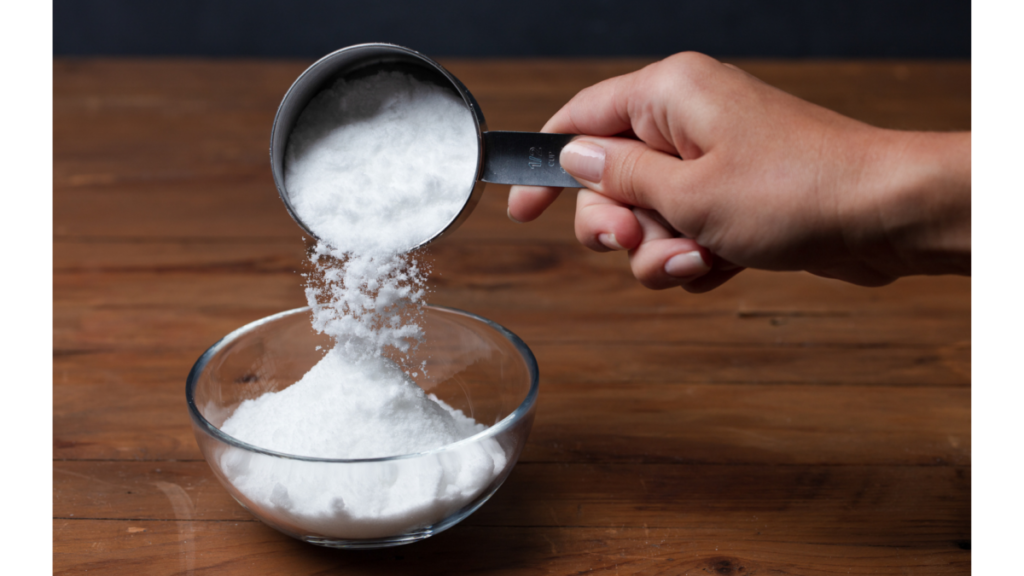
In Europe, EFSA approvals have given the green light to use tagatose in baby formulas opening up a new area in infant nutrition. But the real story is how people are using it. In drinks, tagatose shines in sugar-free sodas and flavored waters. Its high solubility stops it from forming crystals at low temperatures—which is great for ready-to-drink options. Dairy makers love it for yogurts and ice creams. It keeps them creamy without the freezing point issues that other sugar alcohols cause. What about baked goods? Tagatose browns and creates texture well, thanks to the Maillard reaction. This makes it a top choice for low-sugar cookies and breads. Sweets and snacks complete the range, with tagatose allowing for chewy caramels and crunchy bars that keep their taste while being healthier.
Uncovering the Science: Making More Leads to Wider Use
At its heart, tagatose's path from a lab oddity to a common item depends on how well we can make it. In the past, we got it from lactose through several enzyme steps—changing galactose to tagatose with L-arabinose isomerase—but this method was very slow changing 20-30% and driving up costs to $50-100 per kg. Then came 2025's big changes: using microbes to ferment and biotech tricks are cutting down obstacles making tagatose cost about the same as aspartame.
Bonumose, Inc., a biotech company based in Virginia, stands out as a success story. They developed a unique biochemical platform that turns starch into rare sugars using engineered enzymes. This process reached commercial scale in mid-2025 producing plant-based tagatose at costs 40% lower than older methods. In March, they joined forces with Allozymes to speed up enzyme discovery. They used AI-powered protein design to create variants that increase conversion efficiency to 75% in less than 24 hours. This isn't just talk; a study published in September in ACS Industrial & Engineering Chemistry described a CaO-boosted isomerization process. This process achieves high yields with low energy use making it perfect for eco-friendly manufacturing.
CJ CheilJedang in South Korea showed off a new fermentation trick in Q3. They used food-grade Bacillus subtilis spores to ferment galactose at 100 g/L concentrations. This got them 75% yields with little waste. These steps forward aren't isolated. A Springer paper from February laid out a multi-enzyme cascade system. It makes tagatose straight from lactose giving a plan for scaling up in industry. What's the outcome? Supply chains are getting steadier, with prices falling under USD 20/kg for big orders, according to industry talk.
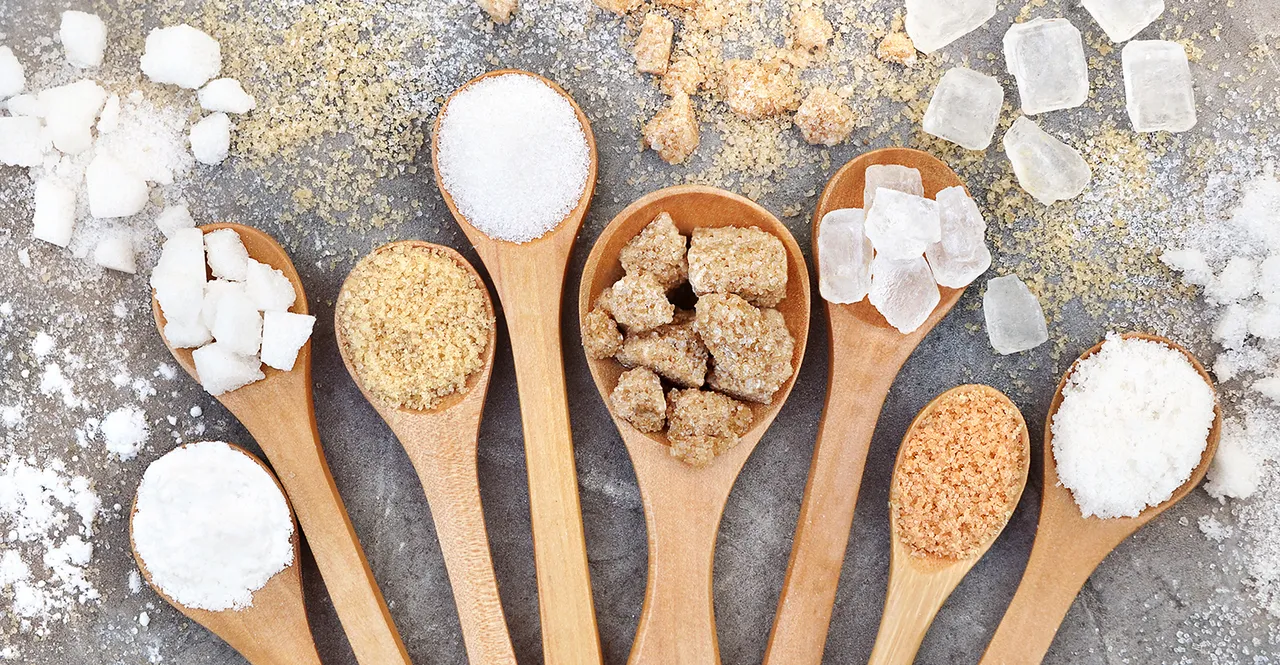
But here's the catch: these new ideas need a complete change in manufacturing. Enzymatic cascades need exact bioreactors with pH and temperature controls to keep enzymes stable—picture jacketed stainless-steel tanks with mixing speeds up to 300 rpm. Fermentation setups require sterile fermenters-up to 10,000L in size-equipped with aeration systems and downstream chromatography columns for purification, since separation of tagatose from glucose byproducts is cumbersome. For instance, Bonumose uses continuous flow reactors to reduce batch downtimes, which is a departure from the conventional stirred-tank operation that can increase production by 50%.
The Equipment Echo: Tagatose Has an Impact on Food Processing Infrastructure
Tagatose takes the leading role, and food processing equipment sets the stage-2025 marks a big change in this story. With increased usage, the manufacturers are faced with three major challenges: working with the particular flow of tagatose, which is less hydroscopic than sugar and hence less sticky in mixes; assuring spread in recipes; and producing more without losing its purity.
Let's start with mixing and recipes. Tagatose powder is the most common form, taking 70% of the market, but its smaller bits need strong mixers to keep it from clumping in dry mixes for snacks or baking kits. In dairy production, liquid tagatose mixtures require inline dissolvers fitted with variable speed drives. The result is yogurts that have a consistent level of sweetness and which do not result in foamy batches should too much air be whipped in. GEA Group's CORIFLOW inline coriolis meters, launched in 2025, have gained popularity. These meters, which were specifically made for thin sweeteners, allow a 0.1% margin of error when adding tagatose into drink fillers. This has cut down on waste by as much as 15%.
Baking and candy-making are more problematic. Tagatose browns like sugar in the Maillard reaction, but it changes when heated. This means ovens need separate temperature zones-like 160-180°C-to brown. Europe has embraced. Tetra Pak's new bakery depositors, featuring pneumatic pistons for precise tagatose-sugar mixes; they boost the speed of cookie lines by 20% without sacrificing texture. Caramels require vacuum cookers with scraped-surface heat exchangers to handle tagatose's lower melting point-140°C versus 160°C for sucrose-this prevents burning and yields a shiny finish.
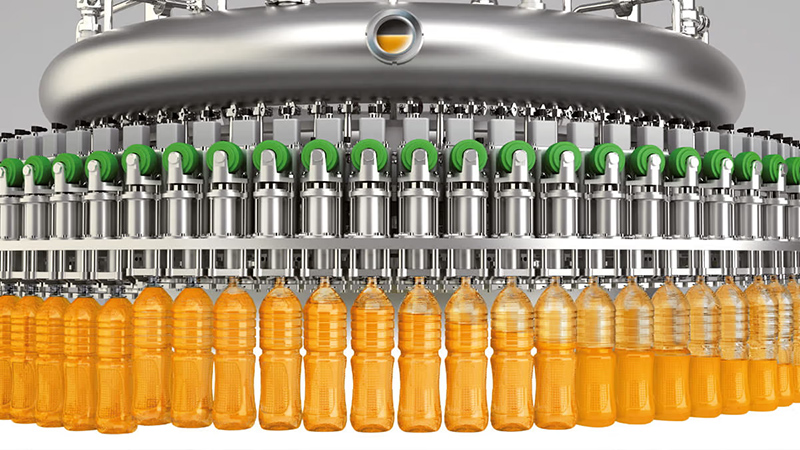
And beverages? Here, the innovations really come into their own. Tagatose is easily dissolved in carbonated beverages, but the carbonation towers require static mixers to distribute it homogeneously beforehand-prior to the addition of the carbon dioxide. This prevents flavor fluctuations. Krones has retrofitted its 2025 Modulfill bloc for tagatose. The compact filler-capper with sweetener injection runs at 72,000 bottles per hour, maintaining aseptic conditions. As flavored water continues to gain in popularity in Asia-Pacific, these systems are now fitted out with UV sterilizers, eliminating any microbial risks, which is particularly important since the prebiotic nature of tagatose can cause unwanted fermentation if not processed accordingly.
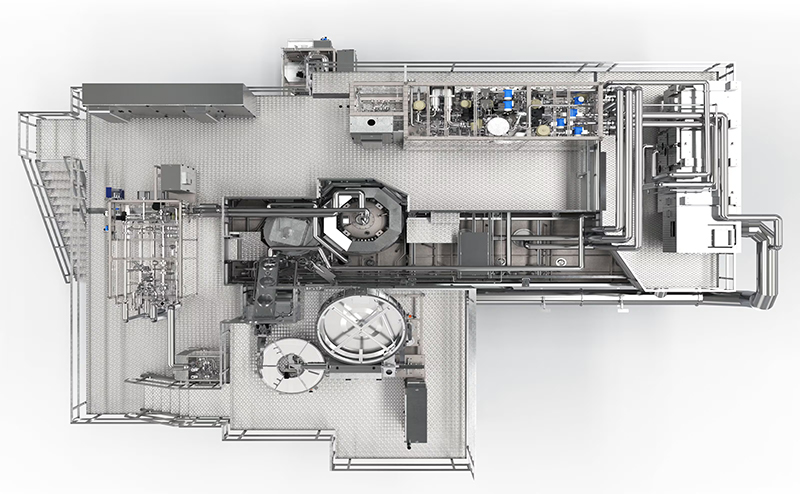
Packaging, too, has needed to adapt to tagatose. While the sweetener absorbs less moisture than others, humid climates like Southeast Asia need special handling. Most pouch fillers now use desiccants and nitrogen flushing to extend product freshness. Multivac's thermoformers are now compatible with the sweetener and can now seal snack bars 10% faster due to the upgrade of sealing dies. The modification considers tagatose' nature of retaining moisture that makes for soft textures.
These changes have an impact on sustainability, too. As more people use Bonumose's plant-based methods, machines need to switch to eco-friendly modes. This includes energy-saving dryers for powdered tagatose that cut steam use by 30%. It also means adding water recyclers in enzymatic plants to catch galactose byproducts. A US team received a $1.2 million award from GovTribe in October to develop such technology to reuse waste. It would tie tagatose production together with zero-waste biorefineries. To do that, flexible skids are required, capable of different formats of enzyme loading. There are obstacles, of course: expensive upfront costs of biotech upgrades (USD 500K for a medium-sized fermenter) deter small and medium-sized enterprises, although funding mechanisms like the EU's Green Deal ease the burden. Unstable supply from lactose feeds due to changes in the dairy market; to that end, mixed reactors able to take starch-based feedstocks are among the various feedstock equipment required. And regulations; FDA labeling may be resolved, but new sugar taxes in Latin America could accelerate tagatose uptake, which forces a production line change-out of sweetener mid-run-a non-issue with PLC-run systems.
Sweet Prospects: What's Next
By the year 2030, tagatose can capture 5% of the sugar substitute market, valued at about USD 200 billion. According to Fact.MR research, production costs should decrease by half via AI-improved enzymes. The equipment manufacturers will benefit too: the demand for smart factories able to use IoT sensors to monitor tagatose in real time-such as HPLC inline analyzers for purity-will grow. Picture analytics warning of enzyme breakdown before yields fall, or AR-guided upgrades that cut install times dramatically.
Tagatose is not just a sweetener; at the core, it sweetens deals, making the world a better place. It eases the load on healthcare systems with low-calorie sweets that help fight obesity and diabetes, and offers eco-friendlier supply chains. Food processors, armed with agile equipment, stand at the vanguard: will they seize this rare sugar's momentum to craft a healthier tomorrow? As one Cargill exec quipped at a 2025 expo, "Tagatose isn't replacing sugar—it's redefining delight." In an industry long chained to tradition, that's a flavor worth savoring.