The meat and poultry processing equipment market is witnessing dynamic growth, driven by rising global demand for processed meat, stringent hygiene regulations, and advancements in automation. Valued at USD 12.5 billion in 2024, the market is projected to reach USD 13.58 billion in 2025, with a CAGR of 8.7%, and USD 19.8 billion by 2029 at a CAGR of 9.3%.
The surge in processed meat consumption is a primary driver. Global dietary patterns, particularly in urban areas, are shifting toward convenience foods like sausages, burgers, and ready-to-eat poultry products. The poultry segment, in particular, is expected to see the fastest growth due to consumer preferences for white meat and its affordability compared to beef and pork. The rise of quick-service restaurants (QSRs) and the popularity of chilled and frozen poultry products are further boosting demand for specialized equipment.
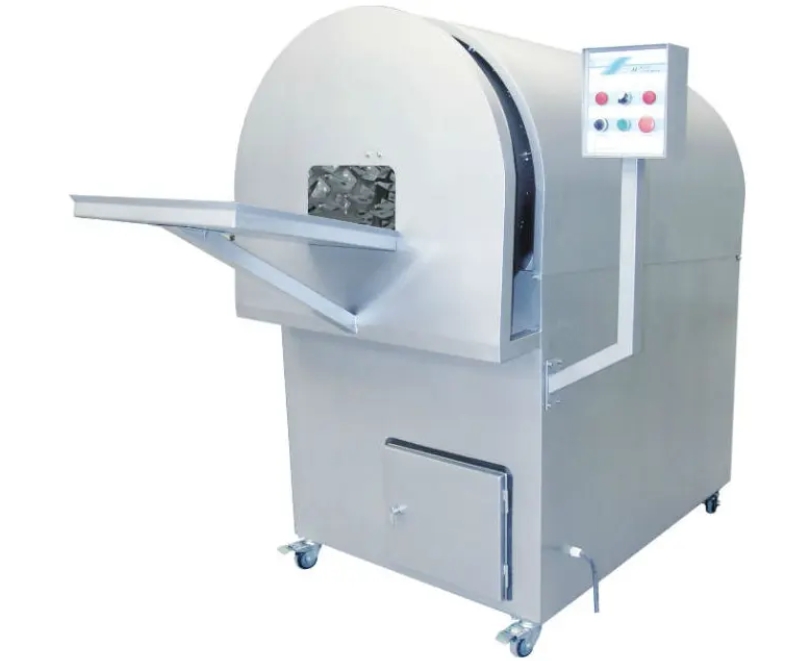
Stringent food safety regulations are also propelling market growth. In North America and Europe, compliance with standards like those set by the FDA and EU requires equipment that ensures hygiene and traceability. Automated inspection systems, such as X-ray and optical sorting, are increasingly adopted to prevent contamination and meet clean-label demands. Additionally, labor shortages, exacerbated by events like immigration raids at processing plants, are driving the adoption of automated systems to reduce reliance on human labor.
Automation is a defining trend in the meat and poultry processing equipment market. Advanced slicing, grinding, and packaging machinery, equipped with AI-powered robotics and digital control platforms, are enhancing efficiency and reducing labor costs. For example, GEA Group’s CutMaster Generation 3, launched in May 2022, is designed for versatile applications, including sausages, plant-based products, and processed cheese, showcasing the industry’s move toward multi-purpose equipment. Similarly, Marel’s modular poultry processing systems improve yield and ensure compliance with hygiene standards.
Sustainability is another key focus. Manufacturers are developing energy-efficient equipment to reduce the environmental impact of meat processing, which is often resource-intensive. Automated systems that optimize water and energy use, such as Baader’s eco-friendly deboning machines, are gaining traction. Additionally, the rise of plant-based and alternative protein processing is driving demand for equipment that can handle both traditional and vegan products, reflecting consumer shifts toward sustainable diets.Regional Dynamics
Asia-Pacific leads the market in scale, driven by rising per capita meat consumption and modernization of processing infrastructure in countries like China, India, and Australia. Urbanization and growing demand for processed foods in these regions are fueling investments in high-capacity equipment. North America, however, remains a hub for innovation, with strong investments in automation and food safety technologies. The region’s consolidated industry structure supports rapid adoption of advanced systems.

Emerging markets in Latin America and the Middle East are also contributing to growth, though challenges like high equipment costs and limited technical expertise can hinder progress. Government support for food processing modernization in these regions is creating opportunities for market expansion.
The meat and poultry processing equipment market faces significant challenges. High capital costs for automated systems can exclude smaller processors, leading to market consolidation that favors large players like JBT Corporation and Marel. Additionally, the energy demands of high-throughput equipment raise concerns about operational costs and environmental impact, particularly in regions with unstable energy supplies.Critically, the industry’s focus on automation and processed meat production must be balanced against consumer concerns about ultra-processed foods (UPFs) and their health implications. The growing popularity of plant-based diets and clean-label products could challenge demand for traditional meat processing equipment. Moreover, while sustainability is a stated priority, the meat industry’s environmental footprint remains substantial, and equipment innovations alone may not suffice to address systemic issues like methane emissions from livestock farming.
The meat and poultry processing equipment market is expected to reach USD 16.36 billion by 2032, driven by automation, sustainability, and demand for value-added products. The integration of AI and IoT will continue to enhance efficiency and traceability, while modular designs will cater to diverse product needs. Manufacturers must invest in sustainable technologies and versatile equipment to remain competitive, particularly as consumer preferences shift toward healthier and eco-friendly options.
Conclusion
The meat and poultry processing equipment market is thriving, propelled by automation, food safety regulations, and rising demand for processed products. While technological advancements offer significant opportunities, challenges like high costs and environmental concerns require strategic solutions. By aligning with consumer trends and prioritizing sustainability, the industry can ensure long-term growth and relevance in a dynamic global market.