Case Study: SBAG’s Quantum Leap with M-Line Robotics
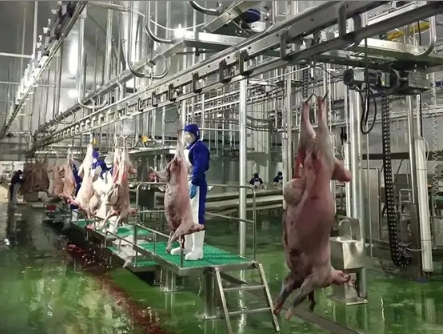
Swiss meat processor SBAG’s recent upgrade from 20-year-old F-Line systems to Marel’s M-Line robotics exemplifies the seismic shifts in global meat processing. Facing a trifecta of challenges—labor shortages, escalating hygiene regulations, and variable pig weights (60–120 kg)—SBAG installed four specialized robots: the MPB (pelvic bone division), MBR (hygienic bung removal), MLR (precision lard extraction), and the AI-powered MSS-TT splitting saw. This $10M+ investment enables processing 340 pigs/hour (700,000 annually) with contamination risks slashed by 60% and throughput increased by 25%.
Industry-Wide Automation Drivers:
-
Labor Crisis: Europe’s meat sector faces a 40% workforce shortfall by 2030, accelerating robotic adoption.
-
Traceability Demands: Digital systems now document 100+ regional labels per facility for compliance.
-
Hybrid Workflows: New-gen robots like MSS-TT integrate with legacy lines, avoiding full-plant overhauls.
Emerging Innovations:
Marel’s TwinTool technology combines AI vision with dual-blade saws, adapting cuts in real-time for irregular carcasses. Meanwhile, heat-mapping sensors in MLR robots prevent meat damage during leaf lard extraction—preserving $500K/year in premium cuts for mid-sized plants.
Global Implications:
While Europe leads in high-cost automation, adaptations are emerging in developing economies. Brazilian giant JBS recently piloted modular robotic arms for deboning, cutting integration costs by 70%. However, SBAG’s engineering head Martin Verdonk cautions: "Scalability requires rethinking facility layouts, not just slotting in robots"