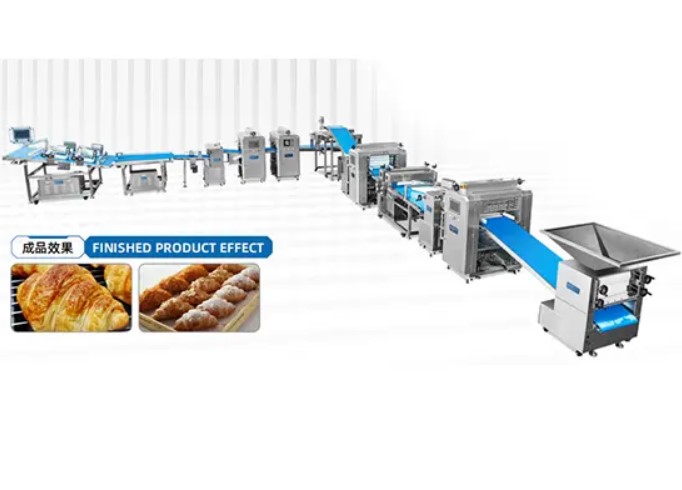
The Asia-Pacific region is the beating heart of the global food processing equipment market, commanding a 34.25% revenue share in 2024 and driving innovation at an unprecedented pace. From China’s industrial juggernauts to India’s burgeoning food tech startups, the region’s rapid urbanization, rising disposable incomes, and shifting dietary habits are fueling demand for cutting-edge machinery. As consumers clamor for convenient, packaged foods, manufacturers are racing to deploy automated, high-throughput equipment to meet this appetite. This article dives into the forces behind Asia-Pacific’s dominance, exploring technological advancements, regional dynamics, and the challenges shaping the future of food processing in this vibrant market.
The Engine of Growth
The Asia-Pacific food processing equipment market is thriving, propelled by a perfect storm of demographic and economic shifts. A 2025 report projects the global market to reach USD 72.23 billion by 2032, with Asia-Pacific leading due to its 34.25% share in 2024. Rapid industrialization in countries like China, India, and Thailand, coupled with a growing population, has spiked demand for processed foods like ready-to-eat meals, frozen snacks, and packaged dairy. Urban consumers, particularly Gen Z and millennials, are driving this trend, seeking convenience without compromising quality.
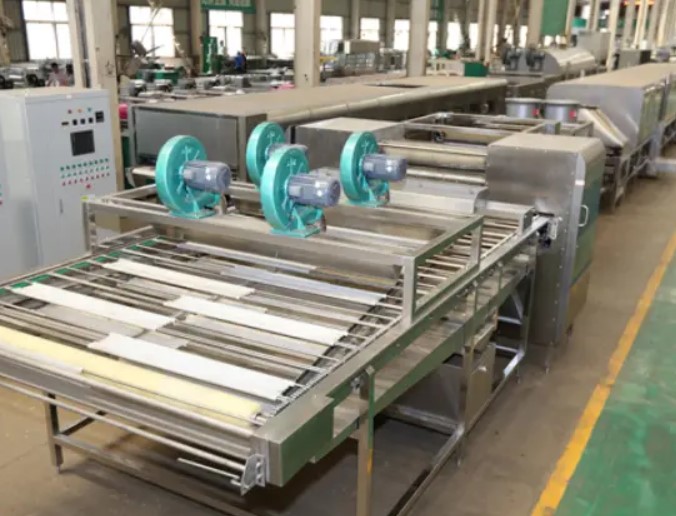
China stands as the region’s powerhouse, bolstered by government incentives for food processing infrastructure. For instance, policies supporting large-scale industrialization have enabled companies like Anko Food Machine to expand their automated dumpling and noodle production lines. India, meanwhile, is emerging as a hotbed for innovation, with startups focusing on localized products like jackfruit and coconut-based snacks, requiring specialized processing equipment. The region’s growth is further accelerated by rising disposable incomes, which have increased consumer spending on premium packaged goods, from plant-based milks to organic frozen meals.

Technological Advancements
Asia-Pacific’s dominance is not just about scale but also innovation. Manufacturers are adopting high-performance, multipurpose equipment to meet demands for faster processing cycles and improved food safety. IoT-based automation and smart control systems dominate, with over 52% of the market’s revenue in 2024 attributed to automatic equipment. For example, Tetra Pak’s advanced homogenizers and pasteurizers are widely used in China’s dairy sector, ensuring consistent quality for high-demand products like UHT milk.
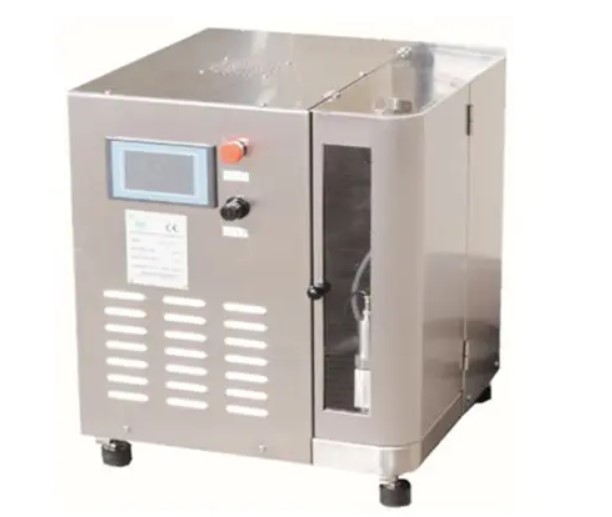
In India, companies like Hosokawa Micron are integrating AI-driven solutions to optimize fruit and vegetable processing, addressing the country’s Rs. 1.53 trillion post-harvest loss challenge. These technologies enable precise control over parameters like temperature and humidity, reducing waste and enhancing shelf life. Singapore, a smaller but significant player, is leveraging its status as a food tech hub to pilot smart packaging equipment, catering to the region’s growing e-commerce market. These advancements reflect Asia-Pacific’s ability to blend scale with cutting-edge technology, setting a global benchmark.
Regional Nuances
While China and India lead, other countries like Indonesia and Thailand are carving out niches. Thailand’s seafood processing industry, for instance, relies on automated filleting and freezing systems to meet export demands, with companies like JBT Corporation supplying state-of-the-art equipment. In contrast, Japan’s focus on precision and quality has spurred investments in hygienic, easy-to-clean machinery, aligning with its stringent food safety standards. The diversity of Asia-Pacific’s markets—from India’s cost-sensitive SMEs to Japan’s high-tech giants—creates a dynamic ecosystem that drives global trends.
Challenges and Critical Analysis
Despite its dominance, Asia-Pacific faces hurdles. High initial investment costs for automated equipment remain a barrier for SMEs, particularly in India and Indonesia, where access to capital is limited. Complex regulatory frameworks across countries, such as India’s FSSAI standards or China’s evolving food safety laws, complicate compliance, especially for smaller players. For instance, the 2023 FSSAI amendment on alcoholic beverages highlights the region’s tightening regulations, requiring equipment upgrades to meet new standards.
Critically, the region’s rapid adoption of automation risks exacerbating inequalities. Large corporations like GEA Group can afford AI-integrated systems, but smaller processors may struggle, potentially leading to market consolidation. Additionally, the environmental impact of scaling up processed food production raises questions about sustainability. While automation reduces waste, the energy demands of high-throughput machinery could strain Asia-Pacific’s power grids, particularly in developing nations. Manufacturers must balance efficiency with eco-conscious practices to maintain consumer trust and regulatory approval.
Future Outlook
Looking ahead, Asia-Pacific will continue to lead the food processing equipment market through 2033, driven by sustained urbanization and technological adoption. Innovations like modular processing systems, which allow flexibility for diverse products, will gain traction. Government support in China and India will further accelerate infrastructure investments, while Singapore’s focus on smart packaging could set new standards for e-commerce. However, addressing cost barriers and environmental concerns will be critical to sustaining growth without alienating smaller players or eco-conscious consumers.
Conclusion
Asia-Pacific’s dominance in the food processing equipment market is a testament to its economic dynamism and technological prowess. As the region navigates challenges like regulatory complexity and sustainability, its ability to innovate while meeting consumer demands will shape the global industry. From China’s industrial giants to India’s agile startups, Asia-Pacific is not just leading—it’s redefining the future of food processing.