2026
2026


✅ 24,000 BPH Mineral Water Filling Line
✅ 50-68mm Bottle Flexibility
✅ Mitsubishi PLC Control System
Technical Specifications: Advanced Water Filling Equipment
| Parameter | Specification | Competitive Advantage |
|---|---|---|
| Production Capacity | 24,000 bottles/hour (500ml) | 20% faster than industry average |
| Power Consumption | 11 kW | Energy-saving water bottling line |
| Rinsing/Filling/Capping | 40/40/15 stations | High-efficiency mineral water filling machine |
| Bottle Compatibility | Ø50-68mm × H165-280mm | Handles 15+ bottle types - ideal water packing machine |
| Control System | Mitsubishi PLC + Touchscreen | Precision control for water packet machine |
| Air Pressure | 0.4 MPa | Stable pneumatic performance |
| Dimensions | 4500×3500×2300 mm | Compact water filling equipment layout |
Core Component Excellence
⚙️ Premium Water Systems
-
Flushing Pump: 0.75kW (0.2-0.25 MPa pressure)
-
Water Supply Pump: Nanfang industrial-grade
⚡ Electrical Configuration
-
Mitsubishi inverter + contactors
-
380V rated voltage (global compatibility)
Operational Advantages
-
Unmatched Productivity
-
Processes 26,000 bottles/hour at peak
-
40 rinsing stations ensure 99.9% cleanliness
-
-
Energy-Efficient Water Bottle Machine
- Variable frequency drives optimize consumption
-
Rapid Changeover
-
Accommodates Ø50-68mm bottles in 15 minutes
-
No height adjustment required
-
Why This Dominates Water Filling Lines?
🔹 Japanese Precision Control: Mitsubishi PLC ensures 99.95% uptime
🔹 Bottling-Specific Design: 15 capping stations prevent production bottlenecks
🔹 Future-Proof: Handles PET/PP/PC bottles for water packet machines
Applications for 24K BPH Systems
-
Large-Scale Mineral Water Plants
-
Bulk Water Packing Operations
-
500ml-2L Beverage Bottling Lines
-
High-Volume Pure Water Filling
Specialized Water Bottling Solutions
"Request Your Customized 24K BPH Quote Today!"
Rinsing bottles with sterile water
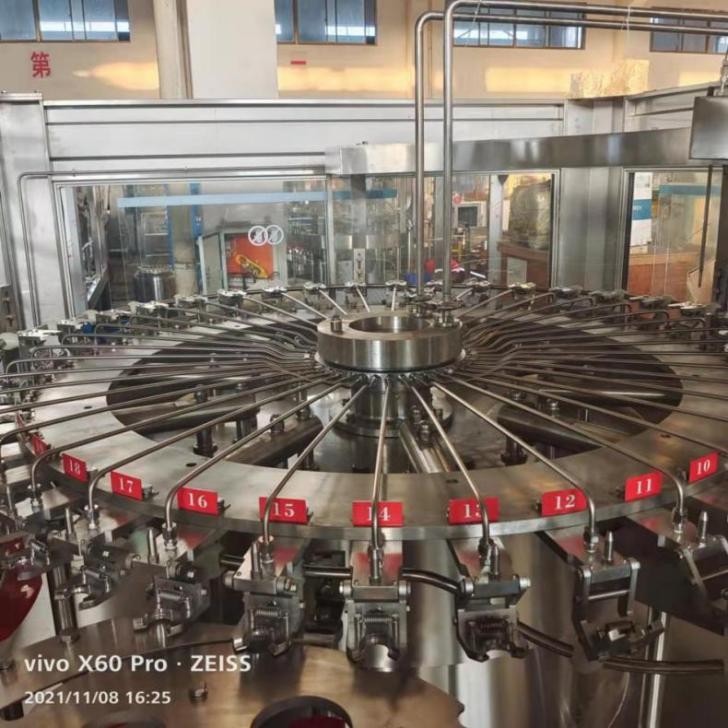
After the bottle enters the main machine, it enters the rinser through the transmission star wheel. The bottle clamp clamps the bottle mouth and turns it upward 180° along the rinse rail, so that the bottle mouth faces downward. In the specific area of the rinser (determined by the water distribution plate - the rinse water is pumped into the water distribution plate by the rinse water pump, and then distributed to the rinse clamp through 40 pipes), the rinse clamp nozzle sprays sterile water to rinse the inner wall of the bottle. After rinsing and draining, the bottle is clamped by the bottle clamp and turned downward along the guide rail and then turned 180°, so that the bottle mouth faces upward. The cleaned bottle is guided out of the rinser through the transition steel dial (pure water rinse) and transmitted to the next process - filling.
Filling
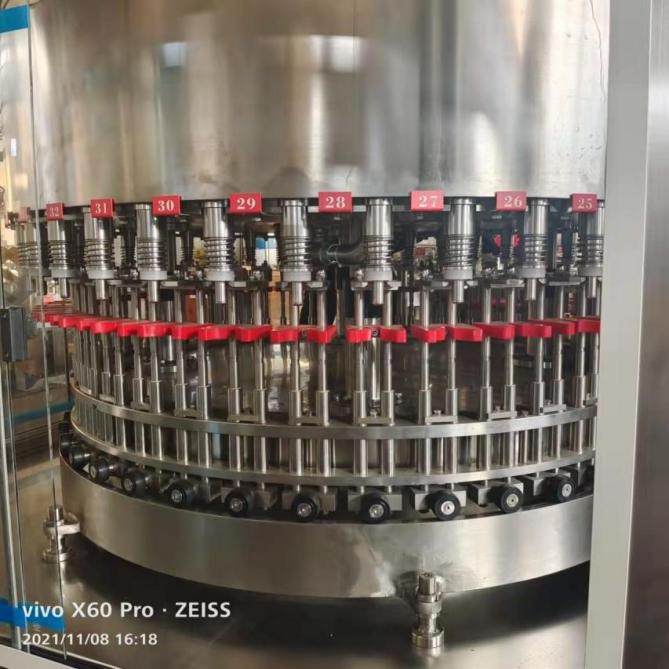
During filling, the bottle is lifted by a cylinder, and the high-speed operation is stable and reliable. Compressed air is connected to the lifting cylinder through the air inlet distributor. During operation, compressed air is injected into the cylinder A chamber through the air injection pipe, so that the cylinder rises upward. After the bottle mouth rises, the filling valve is pushed open and filling begins. When the filling set liquid level is reached, the filling valve return port is blocked by the material, and the filling is completed. Then the cylinder descends under the action of pulling down the cam, and the gas in the B chamber is discharged through the exhaust screw.
Capping
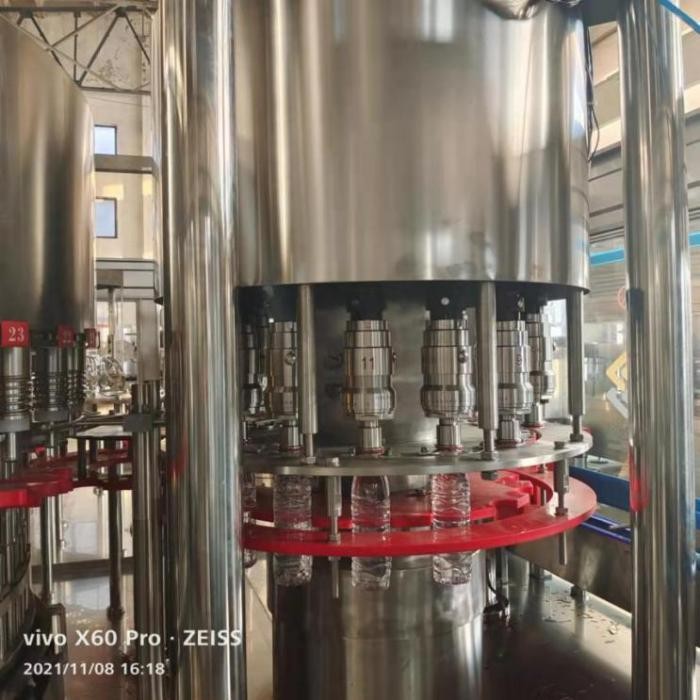
After filling, the bottle enters the capping machine through the transmission star wheel. The anti-rotation knife on the capping machine clamps the bottleneck part, and together with the bottleneck guard plate outside the capping machine, the bottle is kept upright and prevented from rotating. The capping head revolves and rotates under the drive of the capping machine main shaft, and realizes the actions of grabbing, covering, screwing and removing the cap under the action of the cam to complete the entire capping process.
The capping head adopts a magnetic constant torque device. When the capping head takes the cap through the capping plate, the top cover sleeve holds the cap and straightens the cap to ensure that the cap is in the correct position in the capping mold and ensure the capping quality. When the capping is completed, the capping head overcomes the magnetic force and slips, which will not damage the bottle cap. At the same time, when the capping head rises, the capping rod pushes the cap out of the capping mold.
The capping plate transmits power to the capping head through the pin wheel to ensure that its movement is synchronized with the capping machine. The bottle caps enter the capping plate through the capping channel, and then the bottle cap transfer star wheel separates the bottle caps according to the workstation and transfers them to the capping head to take the cap.
Automatic capping machine
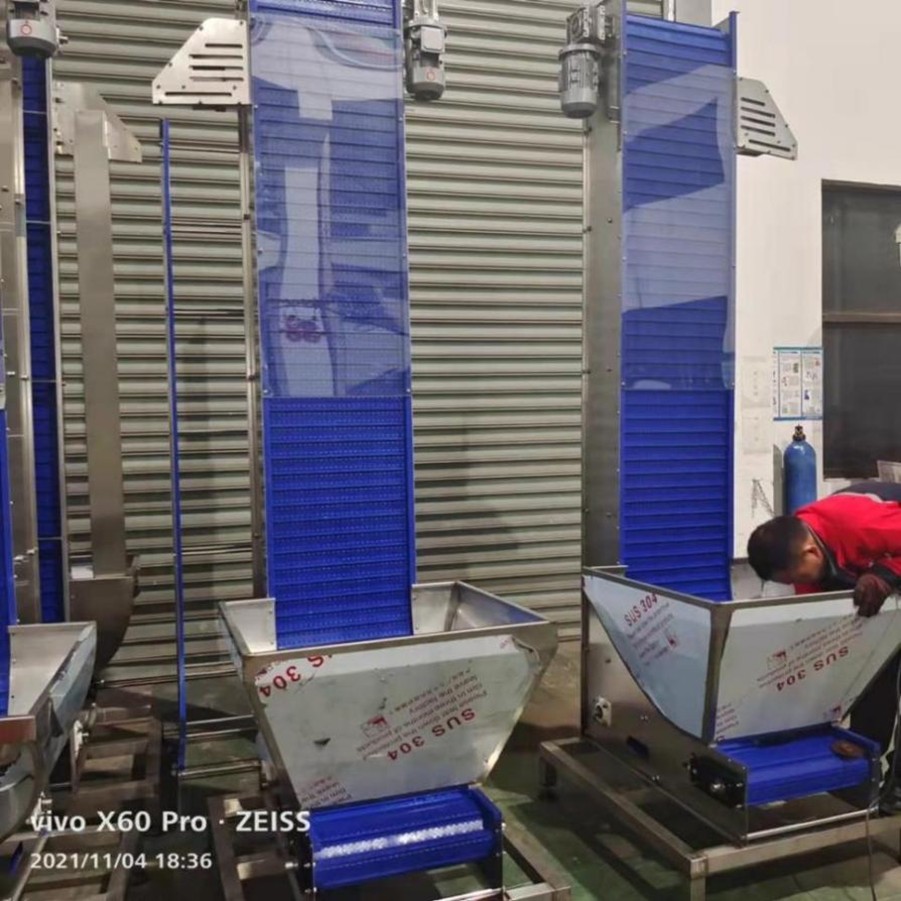
Working principle:
a. The capping machine is equipped with a detection switch. When the bottle caps are consumed to a certain extent, the detection switch sends a signal to start the capping machine to deliver the caps
b. A certain number of bottle caps are loaded in the cap bin. The vibration plate shakes the bottle caps into the air duct under the action of the vibration motor. Under the action of the wind of the fan, the bottle caps are sent to the capping machine through the conveying air duct.
Technical parameters:
Model SG-Ⅱ
Fan 380V, 0.55KW
Vibration motor 380 V, 60W
Online cleaning and disinfection of bottle caps
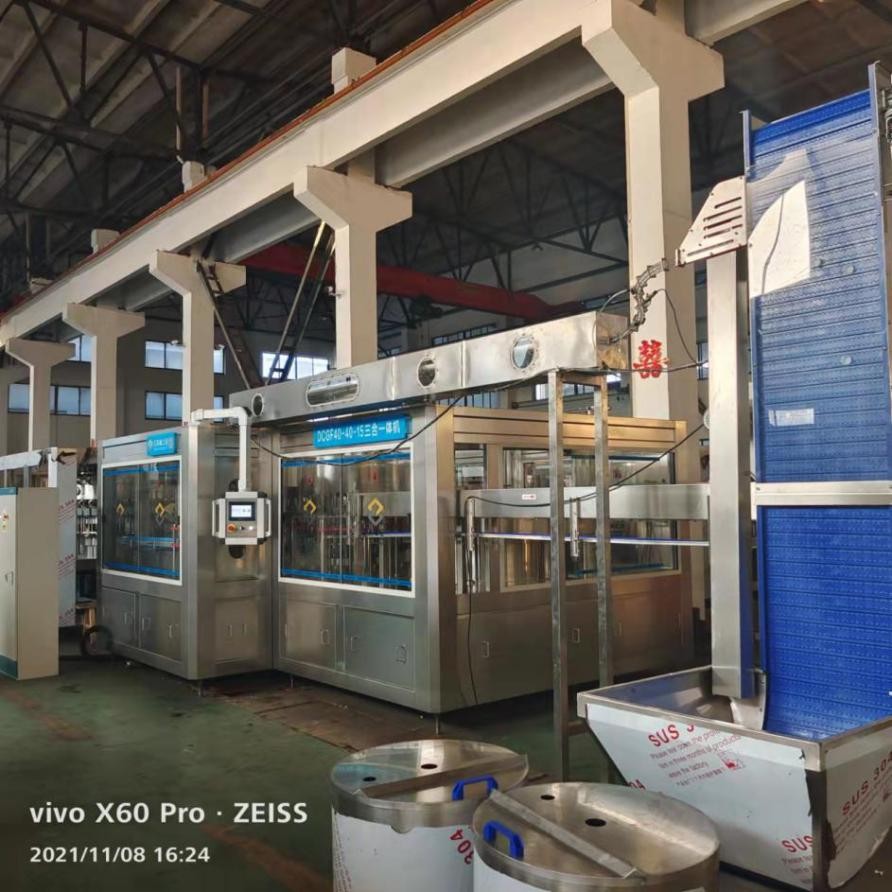
Equipment overview
The bottle cap disinfection machine is installed outside the sterile room. The bottle caps are arranged by the capping machine and enter the bottle cap disinfection machine. After being rinsed with disinfectant and sterile water, they are sent to the capping machine through the cage.
Main features
a. High-efficiency centrifugal capping method, small cap wear.
b. A bottle cap detection mechanism is provided, and the cap signal is used to control the start and stop of the bottle cap lifting machine.
c. The empty caps are sprayed with online continuous disinfectant on the conveying and disinfection rails. The angle design of the nozzle ensures that the disinfectant is sprayed to each point inside the cap. Afterwards, the sterilized empty caps are sprayed and rinsed with sterile water.
d. The processing time is ≥20s.
e. The disinfectant storage tank has high and low liquid level detection and automatic disinfectant replenishment functions.
Light inspection box
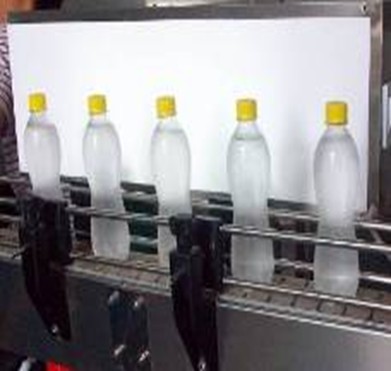
Description of the lamp used: in accordance with the national standard GB7000.10-1999, passed the national mandatory 3C certification
Performance characteristics:
a. Low power consumption and good brightness.
b. It can be started at low voltage 180V and will not burn out at high voltage 260V.
c. The high-frequency ignition lamp tube has bright and soft light and protects eyesight.
d. Durable, the average trouble-free working time is not less than 5000 hours.
e. High power factor.
f. Lamp model: T4-20W.
g. Rated power: 20W. 8. Power factor: >0.65.