Imagine the bustling granaries of Harare, where the earthy aroma of freshly milled maize mingles with the mechanical hum of modern extruders, symbolizing Zimbabwe’s tenacious push toward food self-sufficiency amid economic turbulence. This 16-million-strong Southern African nation, renowned for its fertile land and resilient farmers, is reawakening its food processing industry to access crops like maize, wheat, and tobacco. In 2025, the market for food processing machinery is a beacon of hope, driven by government restructuring, urbanization, and growing demand for processed grains, snacks, and beverages. From automated maize mills to high-throughput snack extruders, Zimbabwe’s embrace of efficient equipment is reshaping its agrifood landscape. What’s igniting this resilient frontier, and how is the industry navigating the challenges of a volatile economy?

A Market on the Rise
Zimbabwe’s food processing equipment market is a dynamic segment within the broader Middle East and Africa (MEA) food processing machinery market, which was valued at USD 4.45 billion in 2024 and is projected to grow at a compound annual growth rate (CAGR) of 2.88% through 2032. Specifically for Zimbabwe, the food processing and handling equipment market is set to grow in 2025-2031 with the country's agricultural revival and increased focus on value addition. Agriculture contributes 15% to Zimbabwe’s GDP and employs 60% of the workforce, producing staples like maize (4 million metric tonnes annually) and wheat, creating opportunities for processing equipment to transform raw commodities into marketable products.
Urbanization, at 32% in cities like Harare and Bulawayo, is driving demand for convenience foods such as packaged mealie meal, extruded snacks, and ready-to-drink beverages, necessitating equipment like millers, extruders, and packaging systems. The global food processing equipment market worth USD 50.7 billion in 2025 is expected to grow to USD 78.0 billion by 2035 at a CAGR of 4.4% and affects Zimbabwe through the importation of affordable equipment from South Africa and China. Government efforts, such as the National Development Strategy 1 (NDS1), are intended to increase agro-processing, with a view to increasing value-added exports by 20% by 2030 through minimizing post-harvest losses that currently reach 25-30% for grains.

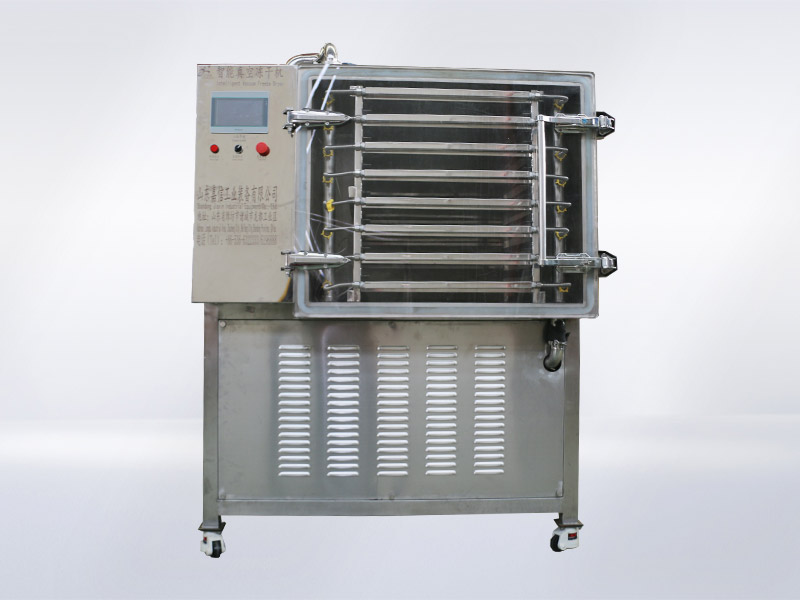
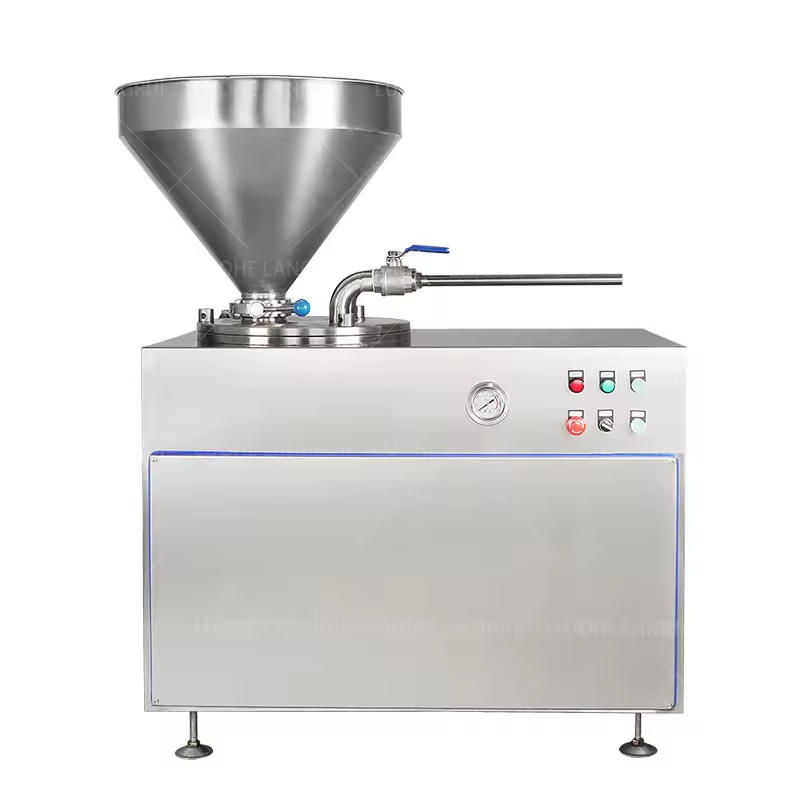
The snack food processing equipment market, a subset of the global industry, is particularly relevant, with Zimbabwe’s focus on maize-based snacks aligning with broader trends where the market is expected to grow due to rising demand for processed foods.The new investments are a case in point: If the food production and processing sector evolves as planned, there can be trade among food ingredients, with raw material imports for processing increasing to complement domestic output.
Trends Affecting the Market
The Zimbabwean food processing machinery market is shaped by a combination of innovation and necessity. Automating is increasingly common, with the international automatic equipment market having a 35.4% market share in 2025, projected in Zimbabwe through semi-automatic measures for grain milling and snack extrusion to meet efficiency needs in a power-constrained environment. For instance, Mashonaland processors are buying automated extruders to produce uniform cereals and snacks due to urban consumers' demand for more healthy, fortified foods.
The aquaculture and fisheries sector is a standout, with a new bill pending to modernize the industry, which could see a boost in demand for processing machinery like smokers, canners, and freezers to address the nation's growing seafood output. Health trends, with 27% of children being malnourished, are driving investment in fortification equipment for wheat flour and maize meal, adding micronutrients to staple foods. Going green is also a priority, with solar-powered mills and energy-efficient processors gaining popularity in rural areas, where grid access is low, following international green machinery trends.
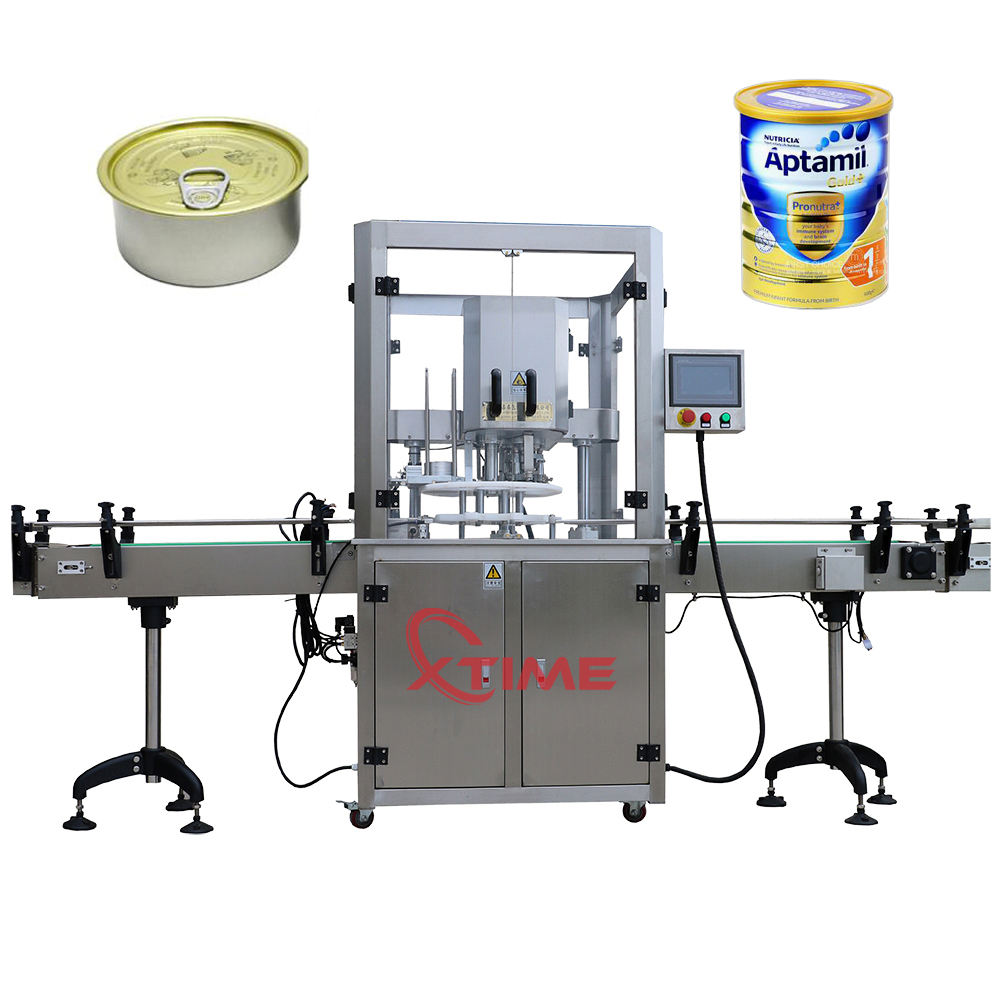
Cooperative arrangements are the thing these days, with farmers' clubs in Matabeleland pooling equipment like oil presses and dryers, pushing demand for low-maintenance, modular systems. Urban foodservice markets expansion globally, projected at a CAGR of 6.2%, fuels demand for kitchen equipment, as evidenced in the development of quick-service restaurants in Harare. Events like Food Africa and pacprocess MEA, scheduled for 2025, provide avenues for Zimbabwean processors to learn about new technologies as well as advance regional collaborations.
Challenges of the Zimbabwean Market
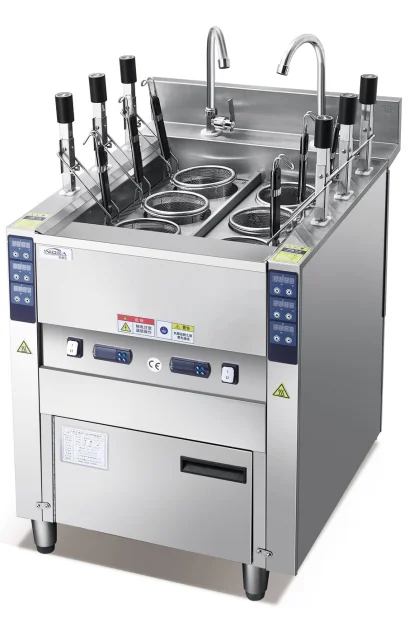
The Zimbabwe market poses enormous challenges. Economic instability, with hyperinflation and currency volatility, disrupts supply chains and raises equipment prices by 20-30%. SMEs, with a majority in the sector and covering 80% of jobs, face challenges in terms of lacking finance because high interest rates and credit scarcity discourage the purchase of advanced machineries. Inadequacies in infrastructure, like poor roads and undependable power, make it necessary to use costly generators, raising cost of production.

Raw material supply is uncertain due to drought and land tenure, reducing maize output by 15% during off-seasons. Post-harvest losses remain significant, calling for investment in drying and packaging equipment, but these are unaffordable for small processors. Skills gaps remain, and limited technical training is compromised by insufficient funding. Global issues, such as volatile steel prices for equipment production, further tax expenses in a sanctioned economy.
Opportunities for Growth
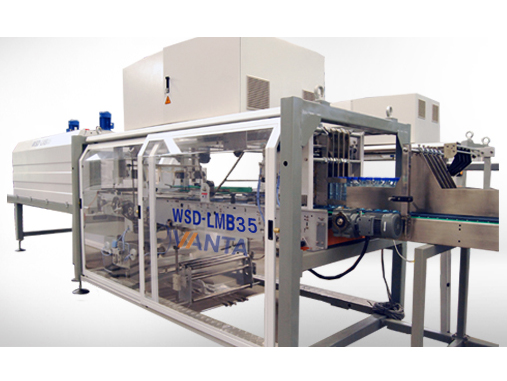
Zimbabwe’s market offers promising opportunities. The African Continental Free Trade Area (AfCFTA) opens export markets to South Africa and Zambia, driving demand for equipment that meets international hygiene and traceability standards, such as stainless-steel mills. Humanitarian aid and FDI, including partnerships with Chinese firms for agro-processing plants, provide funding for equipment upgrades, with investments projected to grow under NDS1.

The snack food boom, valued at millions of dollars globally, presents opportunities for niche extruders. Urbanization and holiday resort development in Victoria Falls fuel demand for grain and dairy processing, leading to investment in fortification and packaging lines. Youth cooperatives supported by NGOs like the FAO are adopting small-scale equipment, creating jobs and breaking the link to imports. Such events as regional trade exhibitions are developing collaborations with international suppliers, providing technology transfers for local manufacturing.
The Future of Food Processing in Zimbabwe
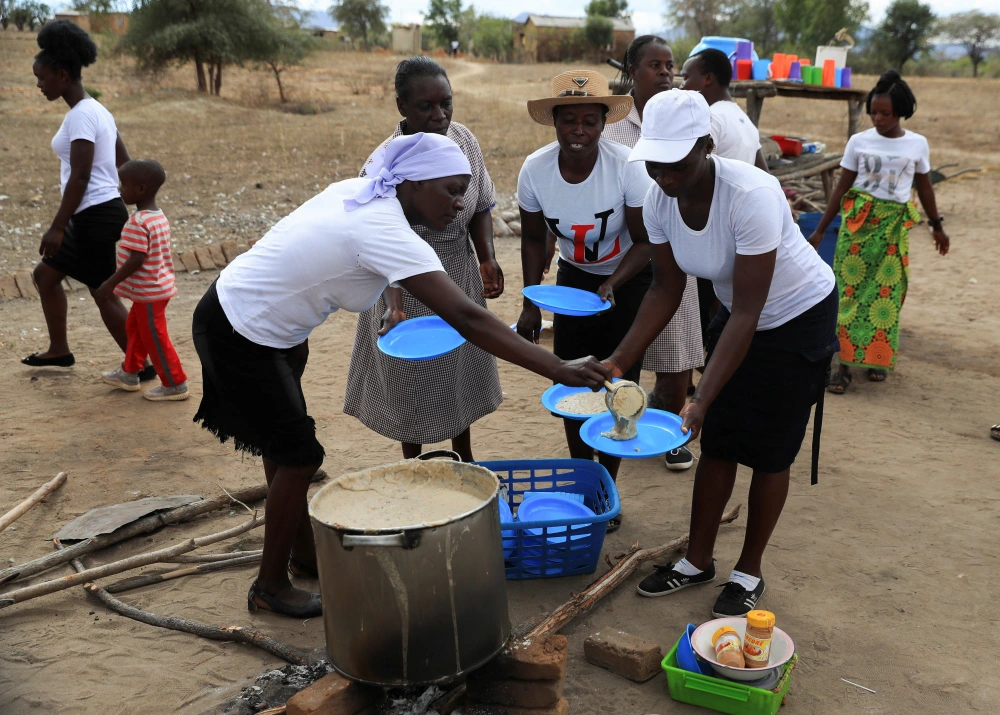
By 2031, the food processing equipment market in Zimbabwe will be a regional powerhouse. Equipment uptake, spurred on by government assistance and foreign support, could grow 15% in this way, lowering food imports by 20% and adding security to a country where 4 million people go hungry. Makers are designing cheap, solar-powered units to fit the needs of Zimbabwe, including mobile units for rural farmers. As Zimbabwe leverages its bountiful agrarian heritage, its food processing sector can harness quality, sustainability, and economic growth, converting maize fields to a healthy future.
The 2025 food processing capital spending outlook portends bleak prospects internationally, but domestic innovation can temper these for Zimbabwe as processors seek guarded optimism in the process of economic recovery. OECD-FAO Agricultural Outlook 2025-2034 draws attention to opportunities in commodity markets that can be tapped by Zimbabwe by expanding processing capacity. JBT Marel's technology advancements at IFFA 2025 can encourage Zimbabwean businesses to implement state-of-the-art technology for meat and snack processing.
In summary, Zimbabwe’s market is at a crossroads, where resilience meets opportunity. With strategic investments, the sector could not only feed the nation but also export to the continent, turning economic adversity into agro-industrial triumph. The hot food processing equipment market’s projected growth to $32.94 billion by 2029 underscores the potential for Zimbabwe to integrate such technologies, enhancing efficiency in snack and meal production. As the food processing market expands globally to $299.77 billion by 2033, Zimbabwe’s role in African supply chains could expand significantly.
To achieve this, stakeholders must address currency stability and infrastructure gaps. The Asia Pacific’s 6.86% CAGR in food processing machinery offers lessons for Zimbabwe in adopting similar growth strategies. Ultimately, Zimbabwe’s food processing equipment market in 2025 is not just about machines—it’s about building a sustainable future from the ground up.
Source:
https://www.meticulousresearch.com/product/food-processing-equipment-market-5049
https://www.marketsandmarkets.com/report-search-page.asp?rpt=snack-food-processing-equipment-market
https://www.marketresearchfuture.com/reports/food-processing-machinery-market-12364
https://www.potatopro.com/topics/processing-equipment/africa
https://proteinblog.jbtc.com/2025/02/19/jbt-marel-leading-with-innovation-in-food-processing-at-iffa-2025/